Within Earshot, Out of Reach

Text chat gets moderated automatically, voice almost never. Who does the work when harassment runs over the open voice channel? Four modes, compared.

Björn Burghard || essays and reporting on digital friction
Text chat gets moderated automatically, voice almost never. Who does the work when harassment runs over the open voice channel? Four modes, compared.

Two decades of German youth protection made the game easier to check. Helping the person inside it runs on funding with an expiry date.
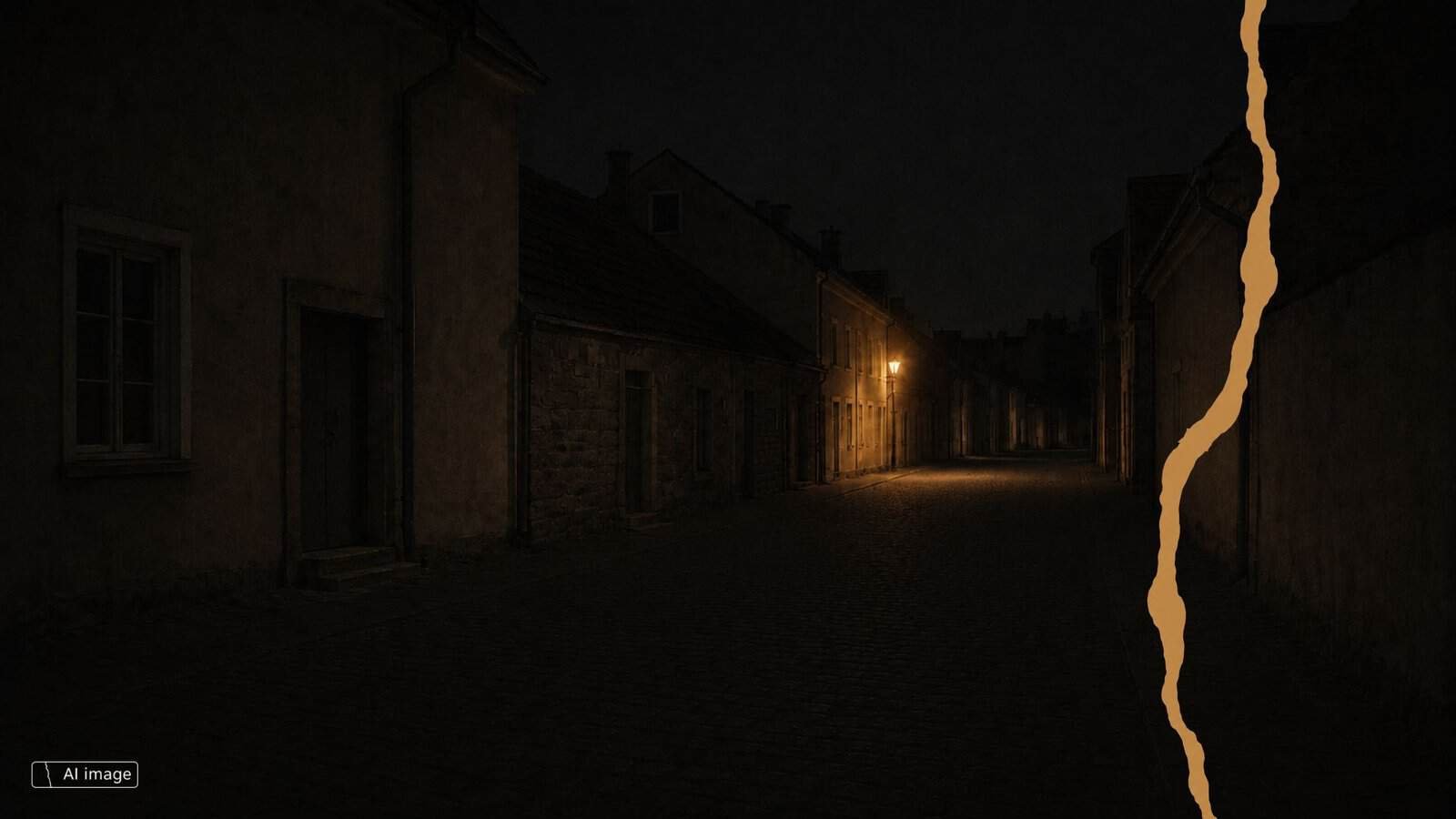
Deserted street in Tallinn at night, lit by a single street lamp with warm light. A dark, quiet row of houses, no people.

Two game developers talk about moving abroad at Game Access in Brno. A relocation's difficulty is assigned long before anyone packs the first box.

A field note from Tallinn: e‑Residency is built for distance, not for arrival. On the gap between logging in and belonging.

Two conversations at Game Access 2026 in Brno, one in a foyer and one in a tram, and the pattern they revealed: an industry that is learning to listen, but not yet in the moment when it matters most.
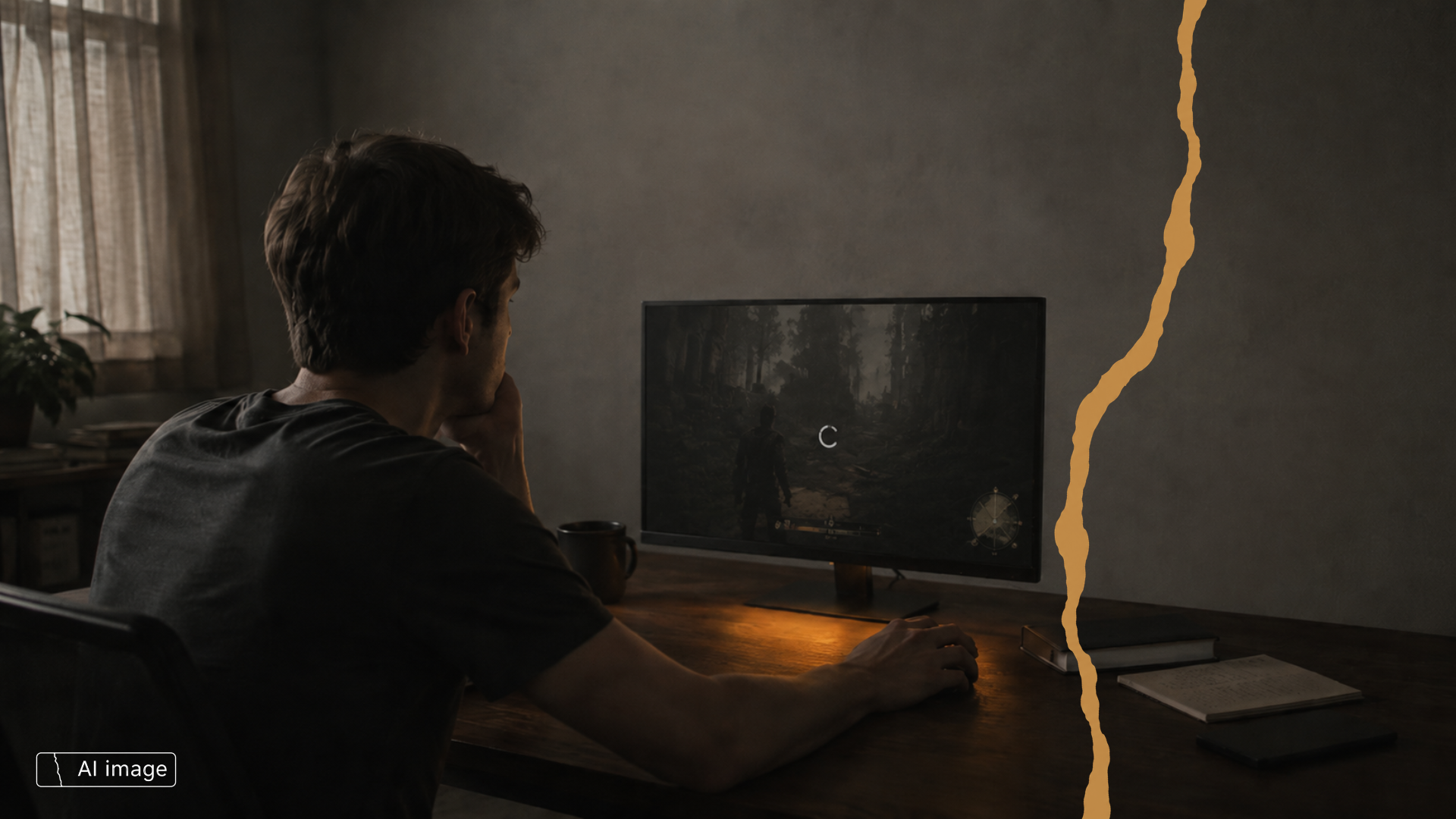
Players don't quit because a game is too hard. They quit because the moment they needed help, the game had nothing to say, and everything else said too much.
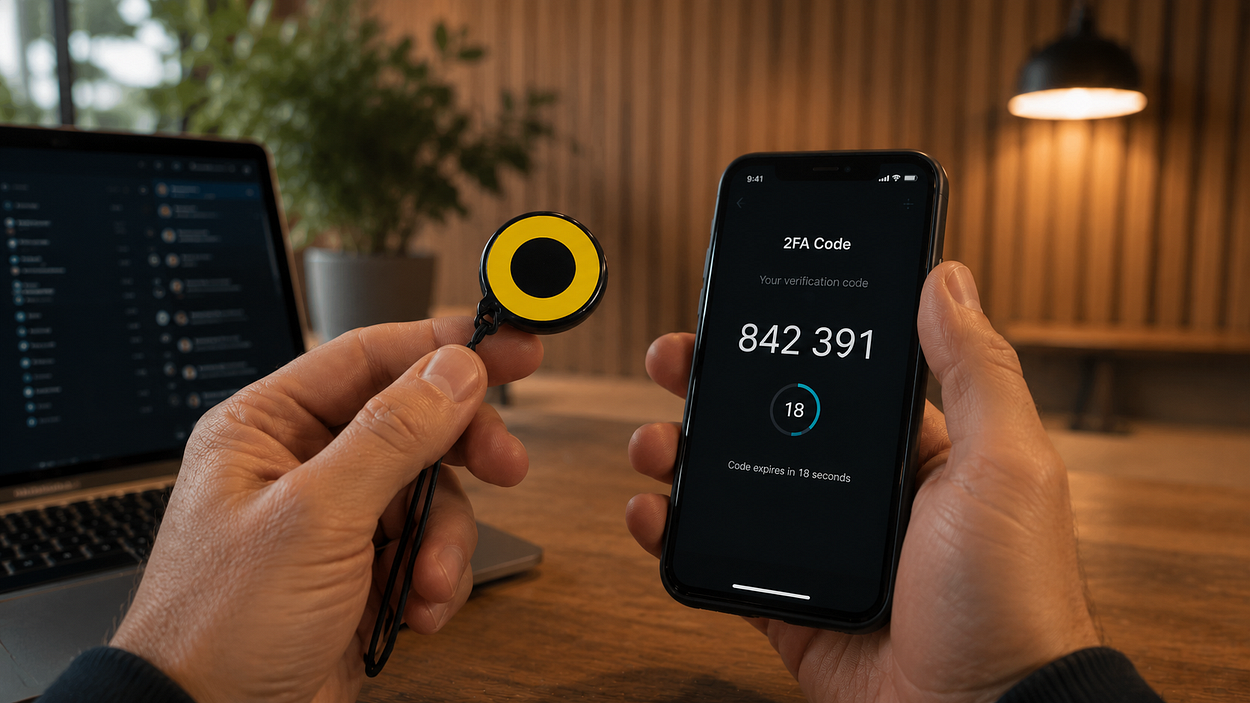
One day in Tallinn, one government office, one question: how does trust work when it's built into infrastructure? A field note on X‑Road, human presence as last resort, and what game developers might learn from Estonia.

Europe is quietly reframing the AI debate in games: from speed to accountability. That shift is where 2026 is actually happening.
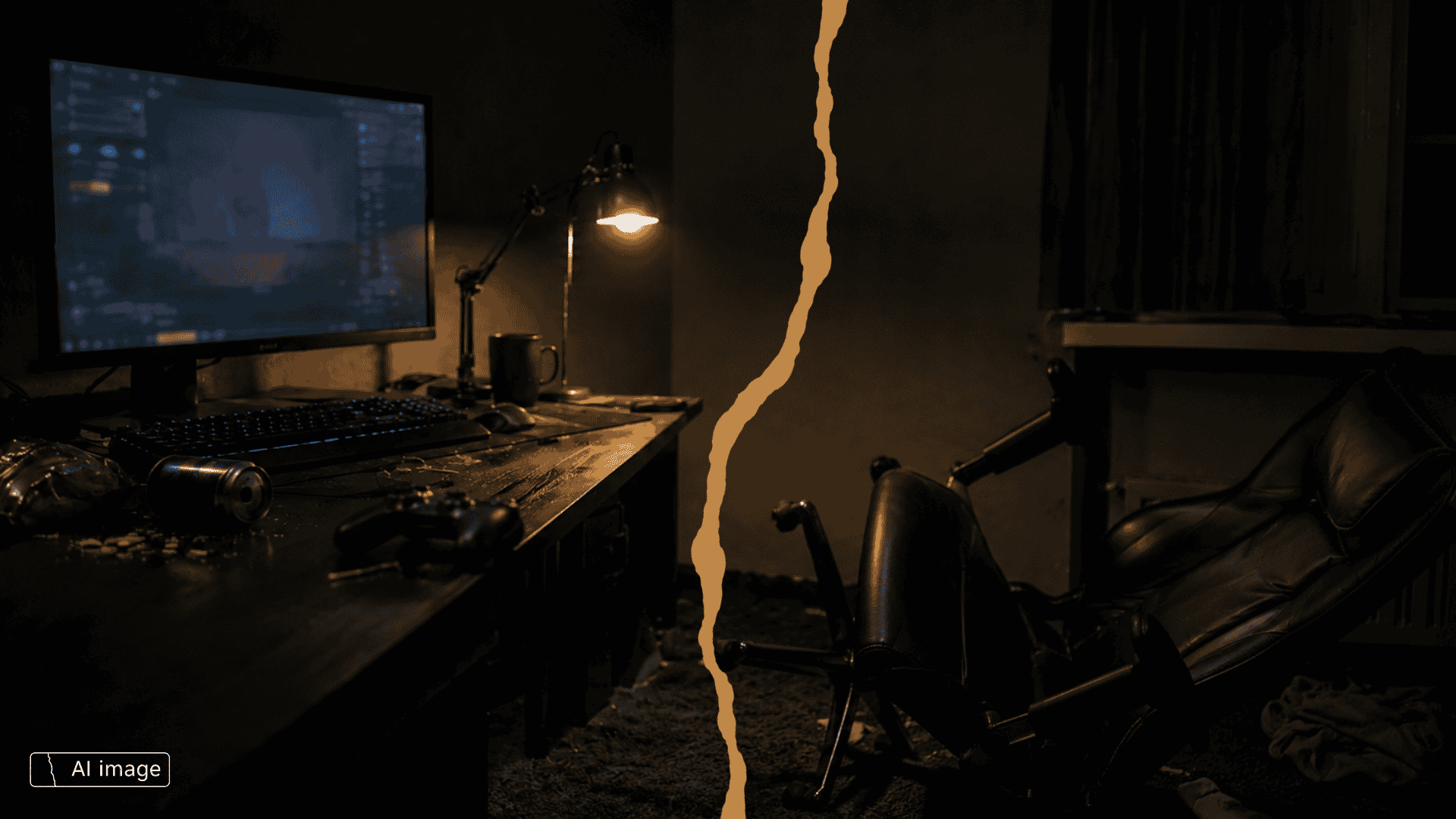
Toxic behavior in online games affects 82% of players. What actually helps: proactive moderation, community design, and trust, not just the ban hammer.