
Getting stuck. And getting through.

Why people get stuck: in games, in systems, in transitions.
And what helps.
I write and report on friction: the moments where players quit, communities turn hostile, systems fail, and people in transition lose their footing. Waycleft.com is where I collect that work: essays, field notes, research threads, and the projects growing out of them.
What I study
Games
How do players get stuck in videogames? And what hint design, graduated support, and thoughtful mechanics can do about it.
Communities
How do online communities become toxic? And what moderation, facilitation and organisational design can change.
Institutions
How do organisations freeze instead of adapt? And what participatory formats,
transition design, and OE practice can enable.
Transitions
How do people arrive in new roles or places without truly belonging? And what
formats, reflection spaces, and peer processes can support.
Ongoing work
Toxic Spaces
Research into why online communities turn hostile. And what changes that. Status: Research phase
LandingSoft
An emerging research interest on arrival processes for mobile adults in European cities.
Recent Writing
- Within Earshot, Out of Reach
 Text chat gets moderated automatically, voice almost never. Who does the work when harassment runs over the open voice channel? Four modes, compared.
 - Where the "Killerspiele" Went
 Two decades of German youth protection made the game easier to check. Helping the person inside it runs on funding with an expiry date.
 - Two in the Morning, No Call
 Deserted street in Tallinn at night, lit by a single street lamp with warm light. A dark, quiet row of houses, no people.
 - I Can Be There in Eight Days
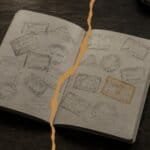 Two game developers talk about moving abroad at Game Access in Brno. A relocation's difficulty is assigned long before anyone packs the first box.
 - Built for Distance
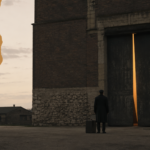 A field note from Tallinn: e‑Residency is built for distance, not for arrival. On the gap between logging in and belonging.
 - A Foyer and a Tram in Brno, and the Gaps In Between
 Two conversations at Game Access 2026 in Brno, one in a foyer and one in a tram, and the pattern they revealed: an industry that is learning to listen, but not yet in the moment when it matters most.